History of Lefkara
A journey through centuries of tradition, craftsmanship, and cultural heritage
A Village Through Time
From ancient settlements to Leonardo da Vinci's visit, discover how Lefkara became the heart of Cypriot craftsmanship and UNESCO-recognized cultural heritage.
Byzantine Beginnings
The neolithic archaeological remains found in the village are proof that the region around Lefkara has been inhabited uninterruptedly for centuries. The first historical testimony of the existence of Lefkara with its present-day name is found in the testament of Agios Neophytos born in 1134 in Lefkara, when Cyprus was part of the Byzantine Empire.
The house (single room) where Saint Neophyte met with his wife-to-be the night before he run away to become a monk, still stands. During the Frankish and Venetian period (1193-1483) Lefkara became a fiefdom. In the 16th century, it was the largest town in Cyprus.
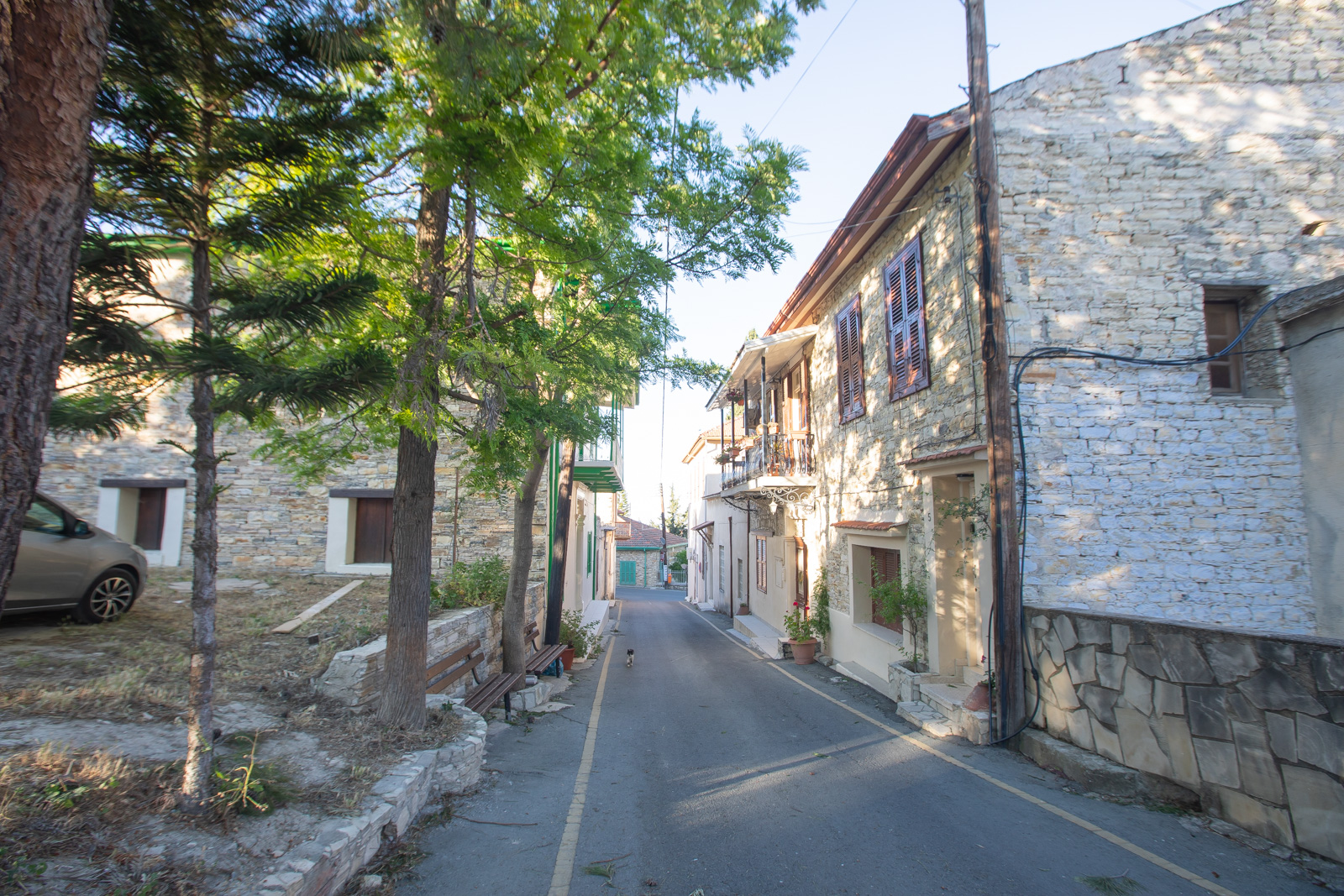
From 1571 to 1878 Cyprus was occupied by the Turks. Most of the houses conserved today in the village date from this period, featuring bare stone facades with few openings, layouts around inner courtyards, and flat rammed-earth roofs.
The Art of "Lefkaritika"
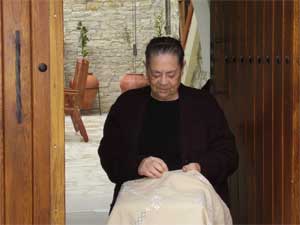
During the Venetian occupation (1489-1571), the famous "Lefkaritika" needlework was born - a form of embroidery that has survived and flourished in almost its original form to present day.
This village, high in the mountains, was the principal summer resort of wealthy Venetians. Local women came into close contact with their household linen and, with keen minds and deft fingers, soon copied and adapted the old Italian white needlework.
The local name of cut-work in Lefkara embroidery is tayiadha, derived from the Italian punto-tagliato. The Lefkara women created beautiful bodices, dresses and cloaks, not only in linen but also in silk.
Leonardo da Vinci's Visit
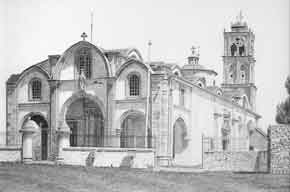
According to legend, Leonardo da Vinci visited the village in 1481. He was very impressed by the Lefkara women's adaptation of Venetian embroidery and purchased a lace cloth with the "potamos" design for the main altar of the Duomo di Milano.
This design is known today as the "Leonardo da Vinci design". Since that time, the men of the village have travelled extensively throughout Greece, Europe and even America selling their work.
In 1889 a local lace school was opened, and Lefkara lace regained much of its ancient renown. The Venetians later brought the technique home and set up their own lace industry on the island of Burano.
Revival & Tourism
In 1960 Cyprus finally gained independence. Tourism began to develop in the 1970s, saving Lefkara from economic ruin. With traditional architecture still intact, embroidery and artisan silverwork attracted tourists.
Since 1978, several buildings have been rehabilitated by the Department of Antiquities, most particularly the Patsalos residence, which has been converted into a local museum of embroidery and traditional silverwork.
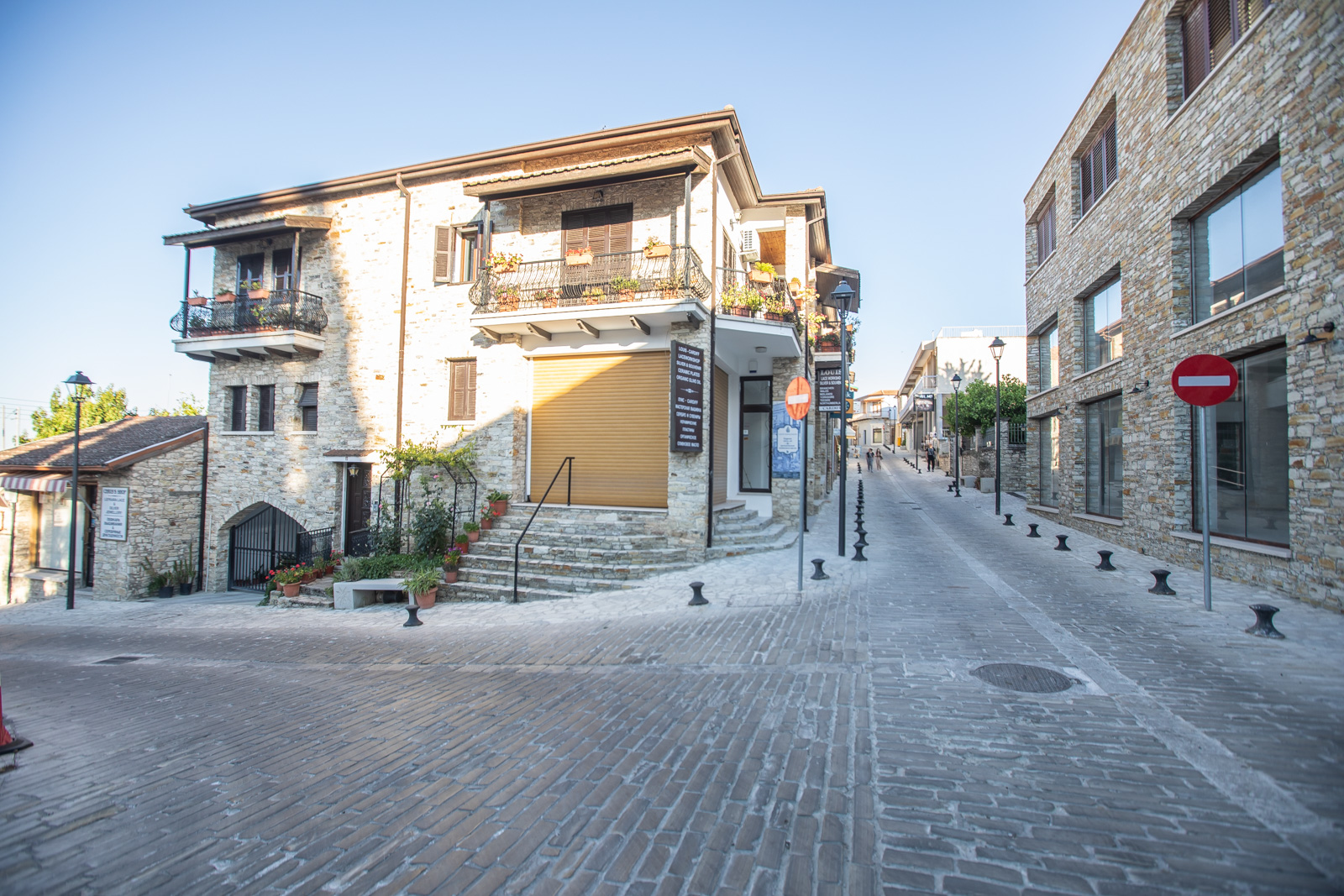
Today, Lefkara hosts annual festivals featuring folkloric dances, traditional food, and renowned crafts. The village offers traditional hospitality through its taverns serving Cyprus meze and renovated traditional houses.
Experience Lefkara's Living Heritage
Stay at Iosiphis Stonebuilt House and immerse yourself in the authentic traditions and craftsmanship that have defined this remarkable village for centuries.